One of the important parts of being a self-taught artist is study. An artist has to self educate themselves on artists before them. I will make blog posts on my favorite artists, their books or resources, and how it can help my art. I will provide some examples.
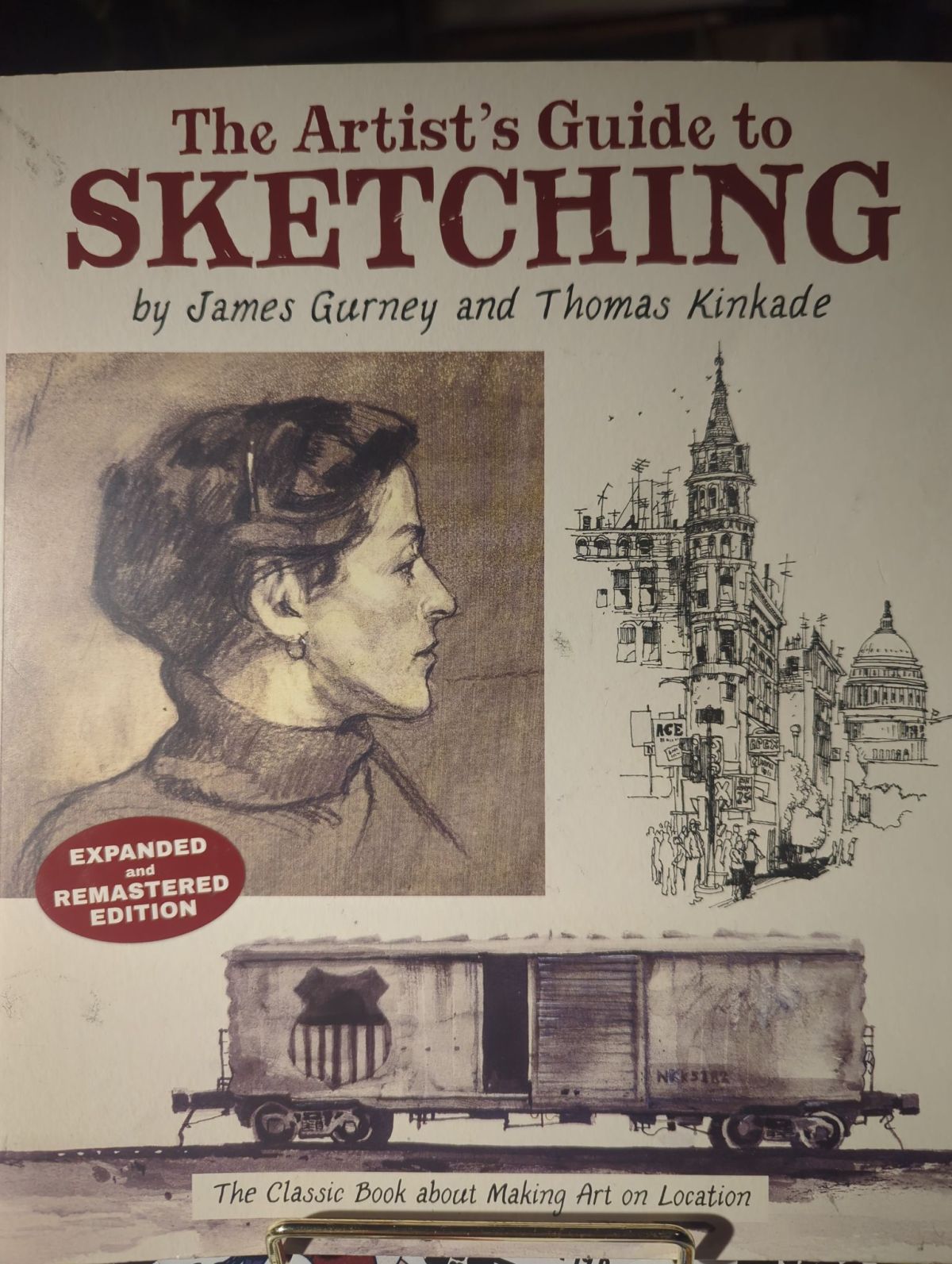
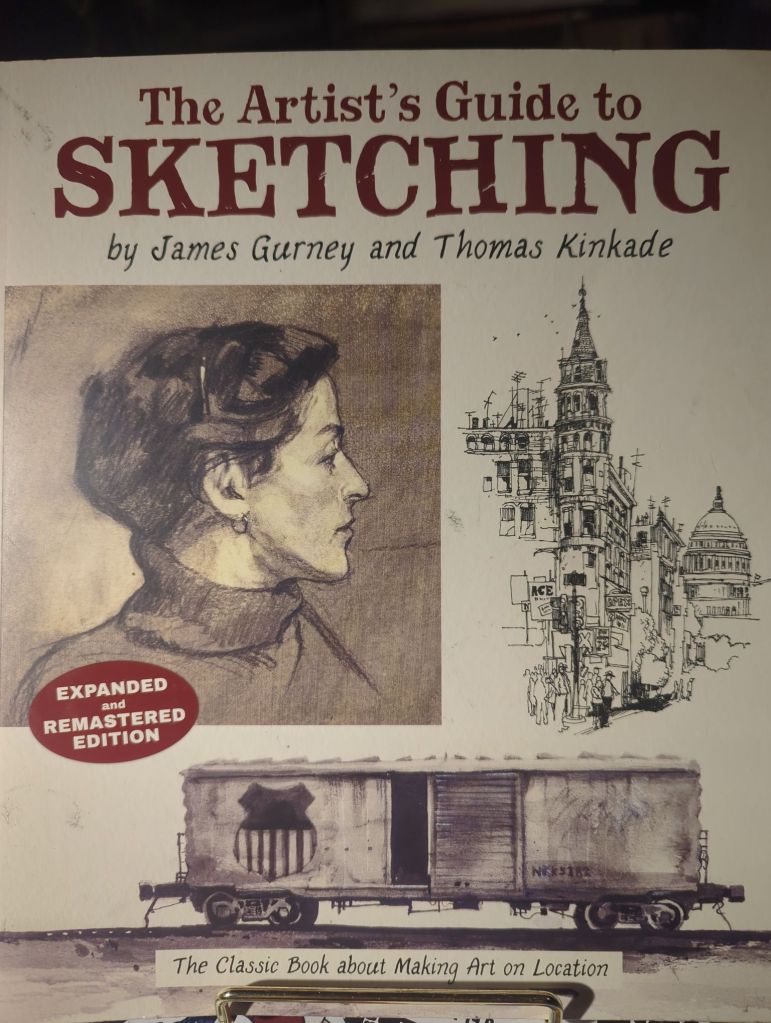
The Artist’s Guide to Sketching by James Gurney and Thomas Kinkade
I bought the reprint of this book. The whole story of Mr. Gurney and Mr. Kinkade jumping on trains, hitchhiking around the country and drawing is so romantic to a young artist. Not only did they do that, but they used the images they made from that trip to create a how to sketch instructional book. James Gurney wrote Dinotopia and Color and Light. His videos are an amazing resource for inspiration and methods. Thomas Kinkade was notorious to have galleries in quaint beach towns in California. Paintings of picturesque America. Some say sellout. This book gives him street cred. I have more respect for him now, seeing his drawings and learning about this drawing adventure.
Take Aways
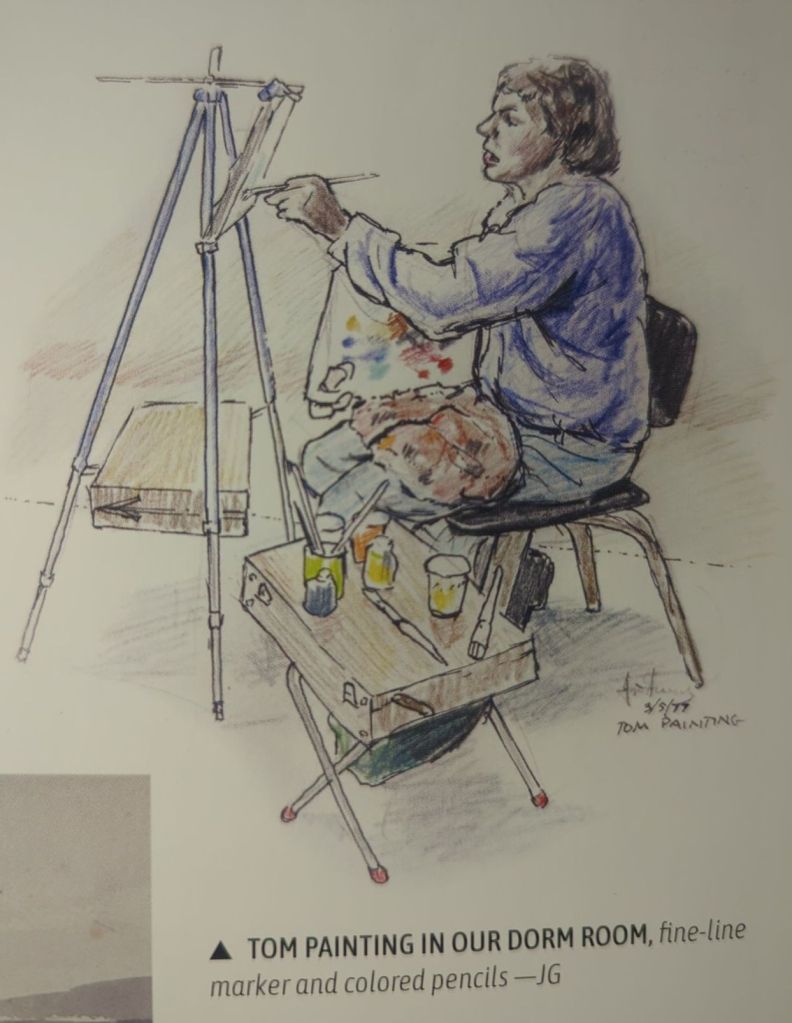
- 4 different ways to sketch people
- Drawings take a long time
- Make different sketchbooks for different purposes
- Mood
Four Different Ways to Sketch People
- Scribble Approach
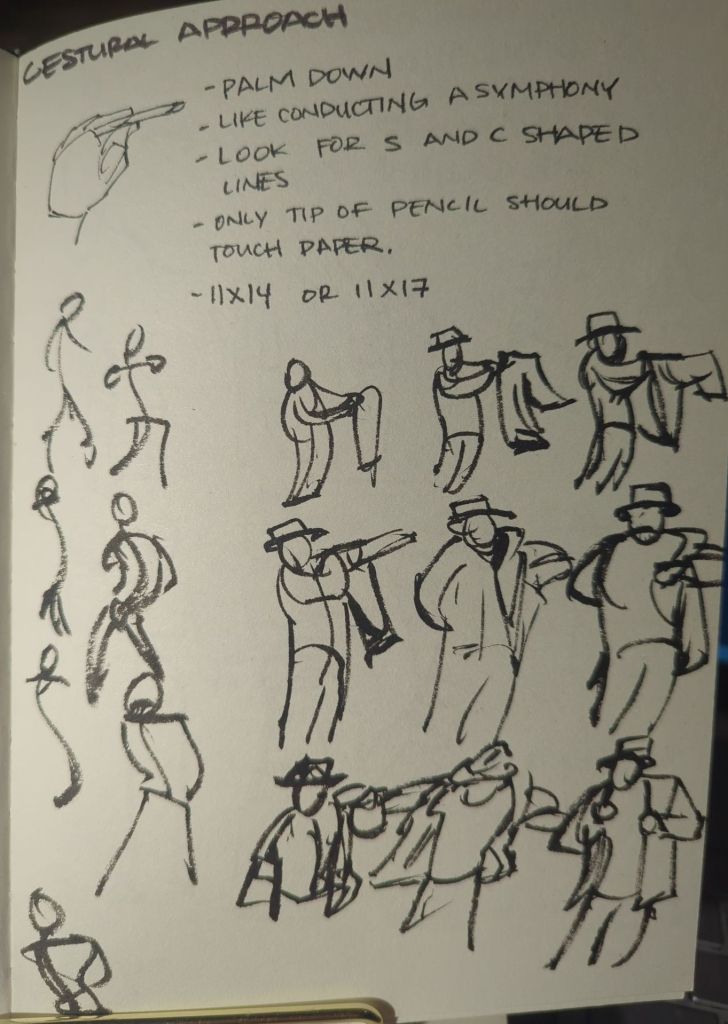
- Gestural Approach
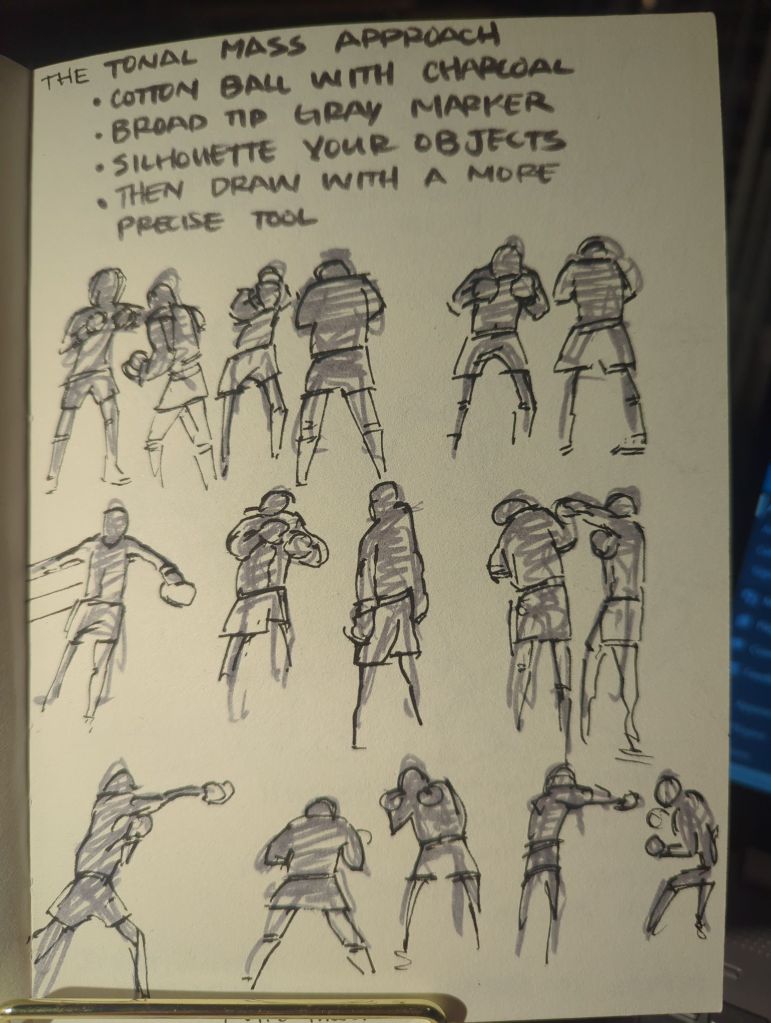
- Tonal Mass Approach
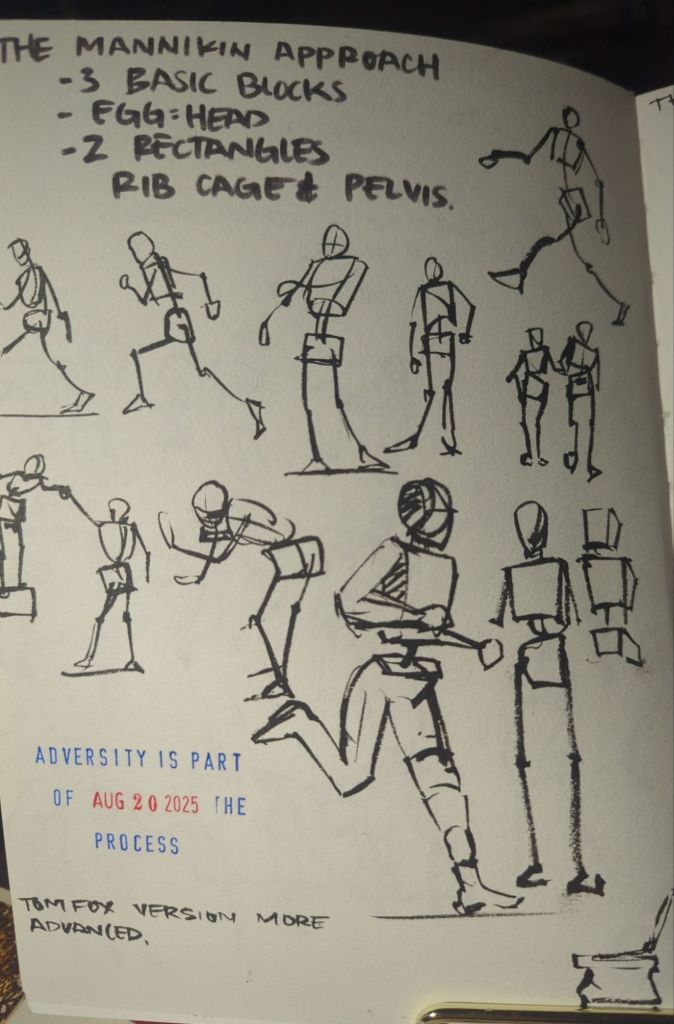
- Mannikin Approach
I made notes in my sketchbook on the different approaches. I tend to just draw contours or mannikin. I think these approaches are good tools for my tool box.

Drawings take a long time
I knew this fact. I just haven’t put this theory in practice. Like any art form or craft. It takes hours of deliberate practice. I need to devote actual time to do this activity if I want to improve. A lesson from the book is to plan your drawing with thumbnails and accurate measuring, then and only then can you proceed with your drawing. The time for your thumbnails and measuring depends on your total drawing time allotted. I often watch Mr. Gurney’s videos, and he has an analog watch sitting on his easel. For example, if you have 45 minutes to draw. Set 5 minutes of the session to map it out or draw thumbnails.

Make different sketchbooks for different purposes
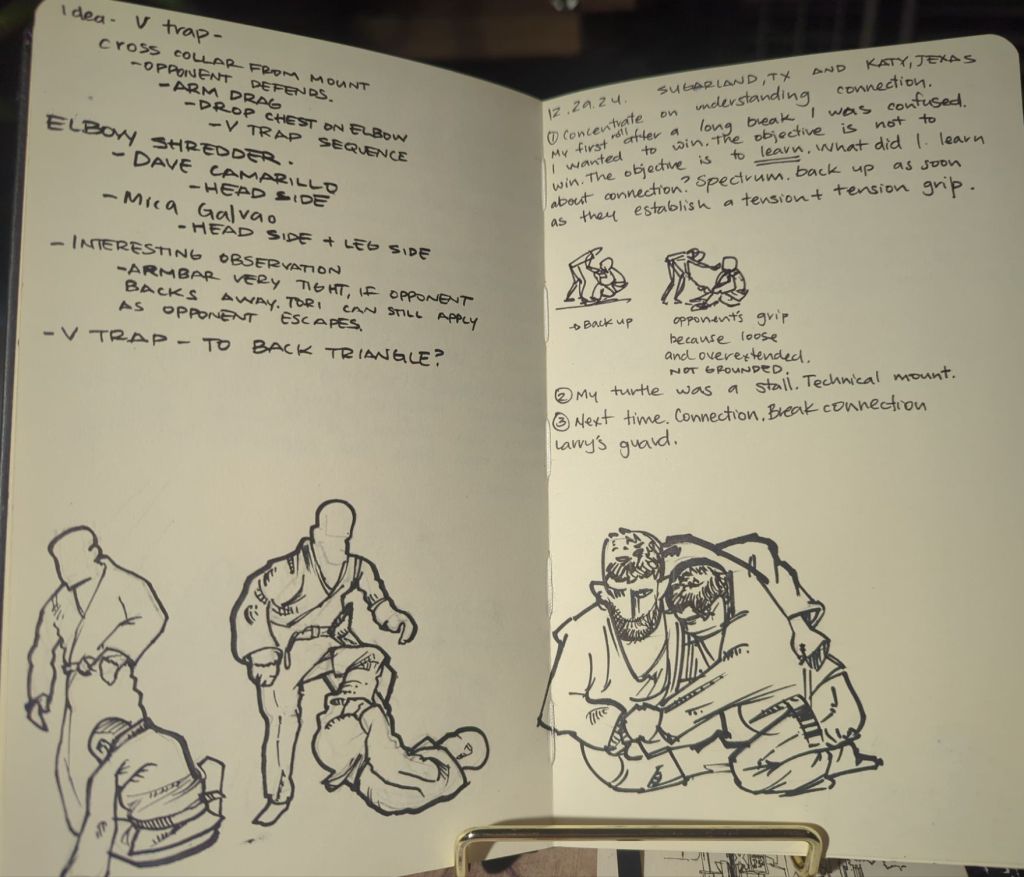
I have several sketchbooks or notebooks for a variety of subjects such as language learning notebooks, guitar notes, watercolor books, writing journals, etc. I can make this practice more deliberate with art. I usually have one sketchbook and I use that for many things. Two sketchbooks that I will take away from this section is a studio sketchbook and a specialized sketchbook. A studio sketchbook is for notes, drawings, copies of masters, and prep work for paintings. A specialized sketchbook is for concentrated study on one subject. That could include notes, diagrams, or nomenclature. I think my next one will be the human form/portraiture/drapery.
Mood
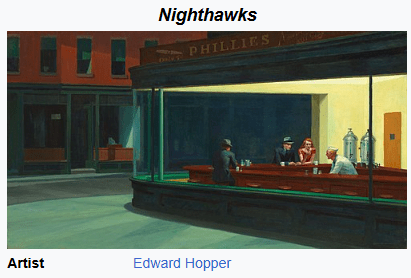
This is a rather new concept to my lexicon. I interpret it as putting the pathos or emotion into your drawing. If you are drawing a landscape at night, and it feels lonely and cold. As an artist, you will try to communicate that feeling with exaggeration, placement or value. The artist has the license to alter the reality to communicate the desired mood. I will wrestle with this idea more in the coming years. The following paintings have mood intertwined within it.

Conclusion
This is not a review. This is not a persuasion piece telling you to purchase this book. I wrote this post for myself. I finished reading it. Cover to cover. I took notes and extracted value from it. I am not a professional artist, but I wish to become a better artist. Studying from books from artists that I admire is one step to improvement. Thank you for your attention.

 markmagpusao.com